
Car accidents in Sacramento are traumatic events under any circumstances, but if you discover that the driver who caused your crash is deceased, this can lead to additional issues, challenges and considerations. It is important to know that the death of the at-fault driver does not mean you can no longer hold him or her responsible for your losses. The driver’s auto insurance policy remains valid.
How Does an Insurance Claim Work When the Policyholder Is Deceased?
Death does not release an individual of liability, or legal and financial responsibility, for a car accident he or she caused. Under California’s at-fault car insurance law, the party responsible for causing a crash is liable for the resulting damages, even if that party does not survive the accident.
Filing a claim with the insurance policy of a deceased individual requires contacting the insurance company with the policyholder’s information, such as their full name or policy number. When filing your claim, do not admit fault or give the insurance adjuster a recorded statement.
The deceased driver’s insurance company will review the information submitted to decide whether to accept or reject your claim. As long as the driver’s auto insurance policy was valid and active at the time of the crash, it should be available to cover your losses, whether or not the policyholder survived.
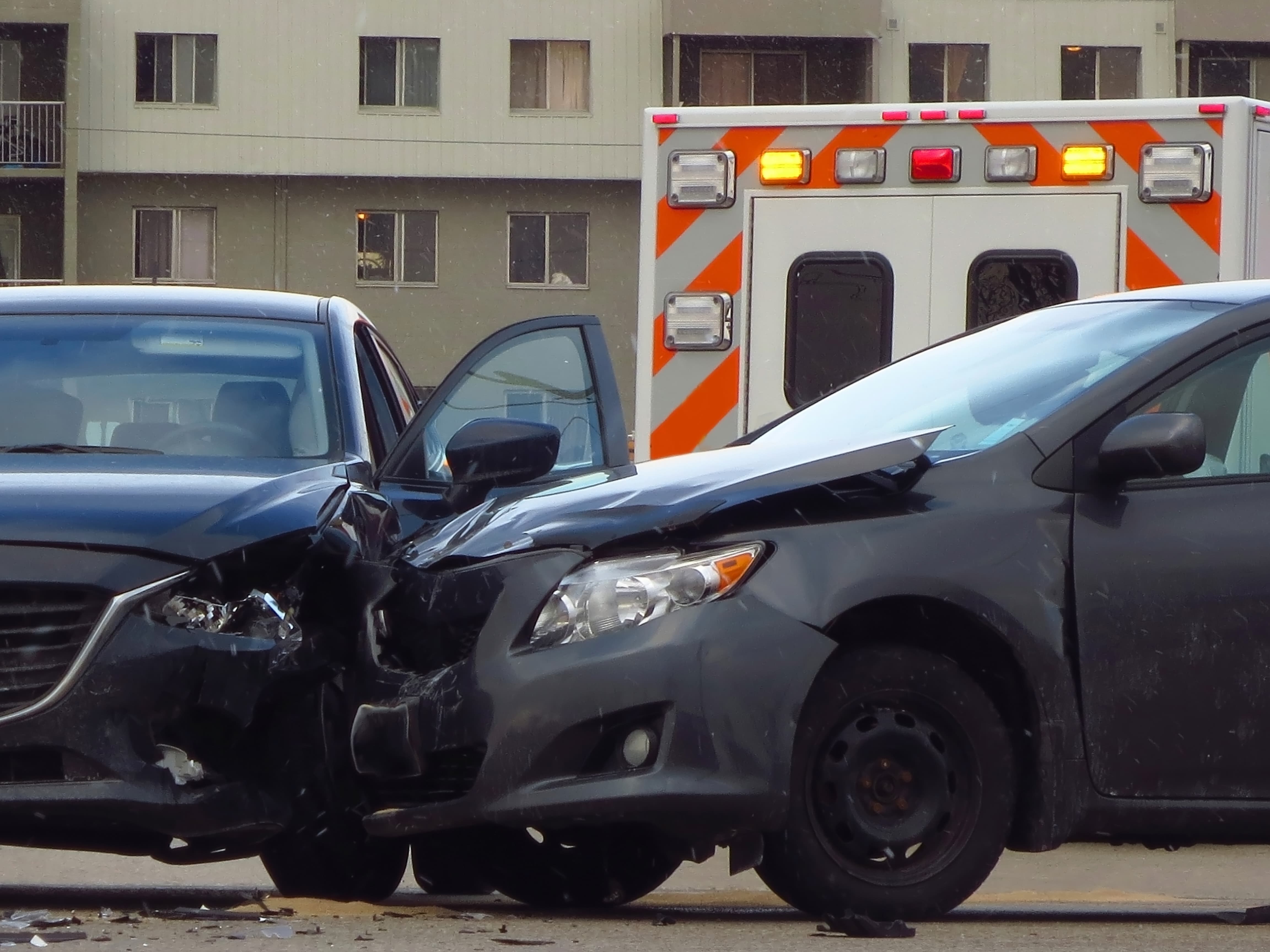
What If the At-Fault Driver Dies After a California Car Accident?
Can You File a Lawsuit Against a Deceased Defendant in California?
Sometimes, a deceased driver’s insurance policy does not contain enough coverage to fully pay for a victim’s losses. In this situation, a lawsuit may need to be filed against the at-fault party’s estate to seek additional compensation.
When the defendant is deceased, the lawsuit will be brought against his or her estate rather than the individual. Any jury verdict awarded in this situation will come from the decedent’s insurance coverage or personal assets. Depending on the circumstances, your judgment may be filed as a creditor’s claim during probate proceedings for the decedent’s estate.
What If the Deceased Driver Was Uninsured?
If the person at fault for causing your car accident passed away in the crash and was uninsured at the time, your first option is to seek compensation from your own car insurance provider. If you have uninsured or underinsured motorist (UM/UIM) insurance on your policy, this will cover your medical bills. Comprehensive or collision coverage can pay for your property damage.
Another option is to file a claim directly against the deceased driver’s estate. If the decedent has assets available to satisfy your damages, you can initiate your claim against them in court. Finally, you could explore third-party liability options, such as holding a manufacturer responsible for a defective auto part or the government liable for a dangerous road hazard.
Is There a Deadline for a Claim Against a Deceased Driver’s Estate?
Yes, there is a legal filing deadline for this type of claim under California law. Under California Code of Civil Procedure §366.2, most causes of action brought against a deceased individual have an expiration date of one year from the date of death.
A formal creditor’s claim or a probate court claim, however, has a different deadline. These cases typically must be filed within four months of a personal representative being appointed, or 60 days after receiving notice of administration as a creditor.
If the at-fault driver in your car accident dies in a crash, you can benefit from contacting an experienced personal injury attorney in Sacramento for assistance with the claims process. This type of case is more complicated than the average claim. A lawyer can walk you through the steps of seeking fair financial compensation.


