
A rear-end collision in Sacramento can cause serious injuries, including painful whiplash and debilitating back injuries. Understanding fault is important, as this determines who pays for your medical care and property repairs. Contrary to popular belief, the rear driver is not automatically at fault for a rear-end collision. Fault depends on the circumstances surrounding the crash.
How Does Fault Work in a California Car Accident Claim?
California’s car insurance system operates under a fault-based rule. This means the party that is at fault for causing a motor vehicle collision can be held liable, or financially responsible, for damages. Drivers are required to carry car insurance to pay for rear-end collisions and other accidents they may cause.
Accessing another driver’s car insurance to pay for your bills after a rear-end collision requires proof of fault. Typically, there must be evidence of negligence, or a breach of the driver’s duty of care. Evidence often comes in the form of police accident reports, eyewitness statements, photos, videos, medical records and expert testimony.
When the Rear Driver Is At Fault
It is most common for the rear driver to be held liable for a rear-end collision. This is because when a motor vehicle driver is following behind another vehicle, they have a responsibility to maintain a safe following distance. They must pay attention and stay alert for any sudden changes, such as the front car hitting the brakes or coming to a stop.
California Vehicle Code §21703 states:
- “The driver of a motor vehicle shall not follow another vehicle more closely than is reasonable and prudent, having due regard for the speed of such vehicle and the traffic upon, and the condition of, the roadway.”
Acts of negligence such as following too closely, tailgating, aggressive driving, reckless driving, speeding, distracted driving, drowsy driving and driving while impaired all increase the odds of a driver crashing into the back of another vehicle. In these situations, the rear driver will be held liable for negligence.
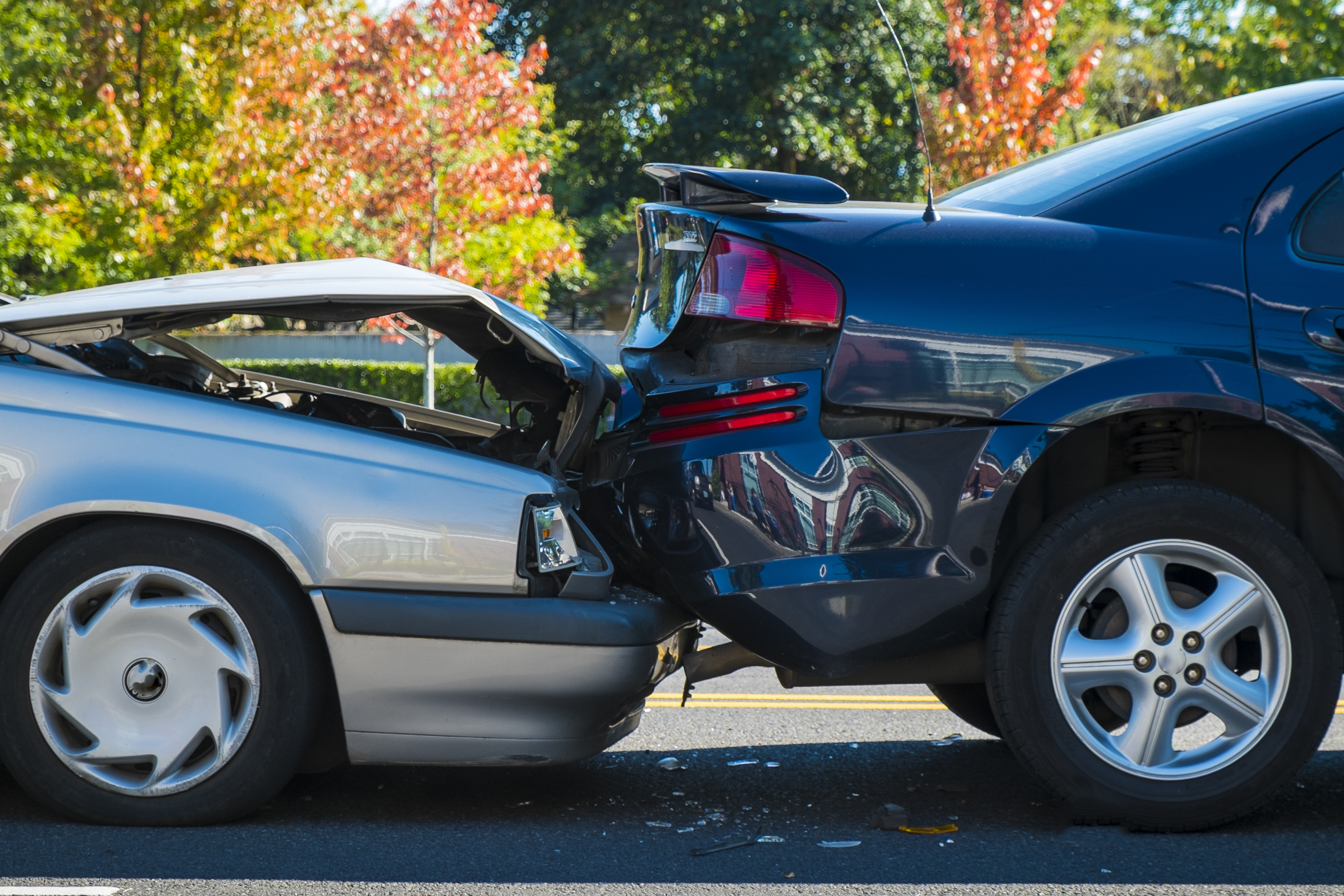
Who Is At Fault in a Rear-End Collision?
When the Front Driver Is At Fault
The rear driver may be the most common liable party in a rear-end collision case, but this is not always a given. There are exceptions to the rule where the front or lead driver may be partially or fully responsible for the accident. Examples include:
- A sudden or unnecessary stop
- Brake-checking (intentionally slamming on the brakes without cause)
- Road rage or aggressive driving
- An unsafe lane change or merge
- Cutting off another driver
- Broken brake lights
- Reversing into another car
It may be more difficult to determine and prove fault when the front driver is to blame for a rear-end collision. In these situations, an experienced car accident attorney in Riverside can help the victim collect evidence and bring a strong claim against the lead driver.
When a Third Party (Or Multiple Parties) Is At Fault
In unique circumstances, one or more third parties may also bear liability for a rear-end collision in California. A third party is an individual or entity that is not one of the drivers directly involved in the accident, but that contributed to the crash or injuries.
If a vehicle experienced brake failure due to defective brakes or low-quality repairs, for example, the manufacturer of the part or the negligent mechanic may be legally responsible. Another example is the government being held liable for a rear-end collision caused by a road defect or hazard, or an employer bearing vicarious liability for the negligence of an on-duty driver.
Fault for a rear-end collision is not always black and white. In many cases, more than one party shares fault and liability. If you get hurt in a complicated rear-end crash, contact a Riverside personal injury lawyer at Jacoby & Meyers for a free case review. Our lawyers can conduct a thorough investigation to identify the correct defendant(s) and collect evidence of fault.