

Self-driving car accident cases are unique. They follow a different set of liability laws than standard California car accidents. Rather than having another driver to blame, you may be able to seek financial compensation for your medical bills and other losses from a third party. An experienced Sacramento car accident attorney can provide valuable assistance during this complex type of claim.
Self-Driving Car Accident Facts
In 2025, 138 self-driving car accidents were reported in California. The majority of these collisions (86) involved Waymo vehicles, while 42 were Zoox self-driving cars, 3 were Nuro and 8 were other brands. Sixty-three (63) self-driving car accidents have already occurred in 2026 as of April 12, putting this year on track to exceed the number of collisions recorded in 2025.
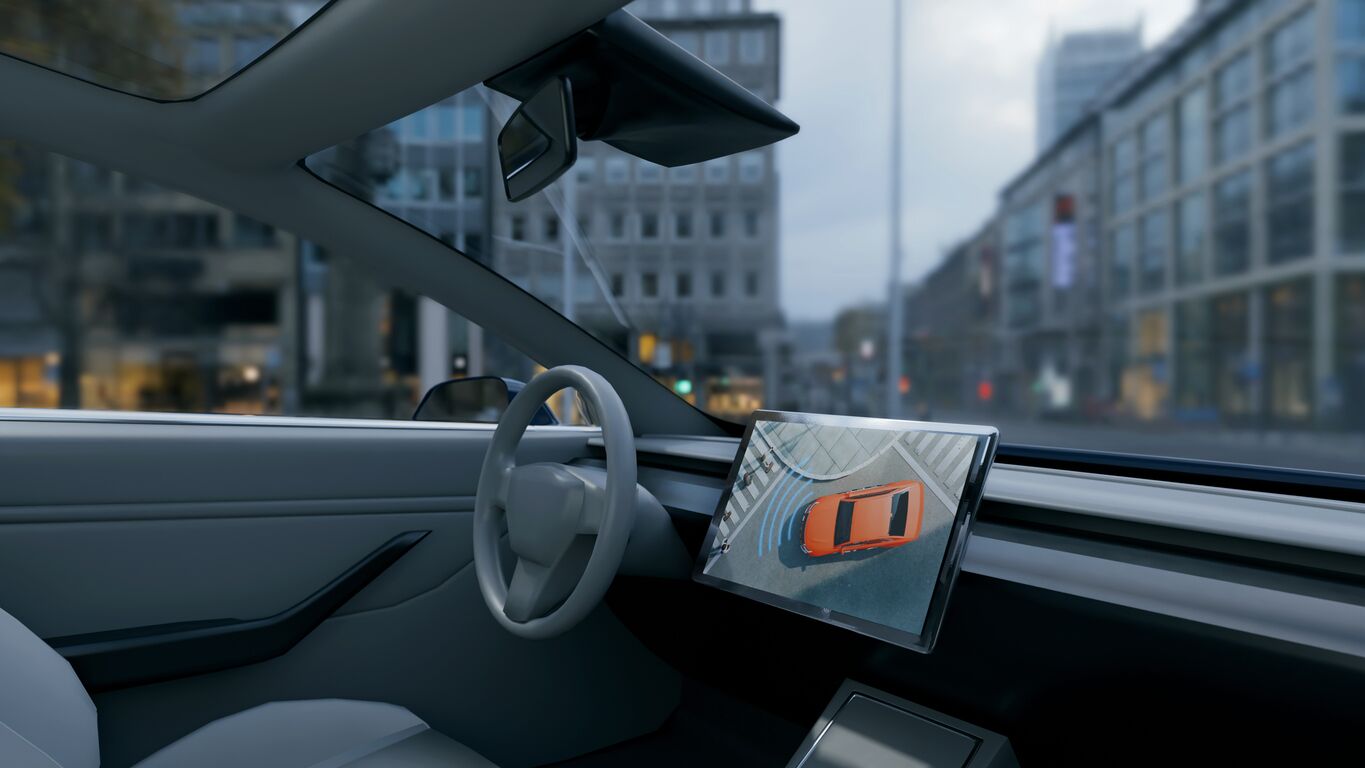
Fully autonomous vehicles can crash for many reasons, most of which are related to issues, flaws or defects with the technology, hardware or vehicle design. Software glitches, part malfunctions and sensor failures have all contributed to severe self-driving car accidents.
Determining Liability in Self-Driving Car Accidents
Potentially Liable Parties
In a traditional California car accident case, one or both of the drivers involved in the crash will bear responsibility for causing the collision. The at-fault driver will have to pay for the victim’s medical bills and property repairs using his or her auto insurance policy. When a motor vehicle is driverless, liability tends to shift to the vehicle manufacturer.
If your self-driving car accident involves a Waymo vehicle, for example, you may be able to file a claim against Alphabet, Inc. (Google’s parent company) as the liable party. Likewise, Zoox is owned by Amazon. The manufacturer can often be held legally responsible for accidents, injuries and deaths caused by its self-driving cars if the issue lies in the company’s autonomous technology.
If an investigation of the self-driving car accident finds that a hardware malfunction is at fault, however, such as defects with the LiDAR sensors or cameras, the manufacturer of the defective auto part could be held liable. Finally, if an outside driver (or cyclist or pedestrian) contributed to the crash, this party could be held responsible, as well.
How Is Liability Determined in a Self-Driving Car Accident?
When a self-driving car is involved in an accident in California, an investigation is typically done by the police, the manufacturer of the autonomous vehicle, multiple insurance companies and the Sacramento personal injury lawyers representing those injured in the crash. The goal of the investigation will be to determine why and how the accident occurred.
The autonomous vehicle will have sophisticated technology on board that records key data and information that can be used to help investigators piece together why the crash took place. The black box, for example, is an electronic data logging device that constantly collects statistics on how the vehicle is performing. The car’s internal and external cameras may also be used for footage of the collision.
Self-driving vehicle experts and crash reconstruction specialists may need to be hired to determine which party is liable. From there, evidence must be brought against the liable party/ies to prove that they are more likely than not responsible for the autonomous vehicle accident. Evidence may include police reports, a black box, witness accounts and expert testimony.
If you get hurt in a self-driving car accident in California, it is important to protect yourself by contacting a car accident attorney in as soon as possible. These are complex cases that may need legal attention.